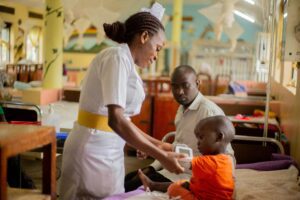

Nursing is built on four key pillars: patient care, nursing education, nursing administration, and clinical research in nursing. While the first three are widely recognized, the fourth pillar is often overlooked, yet it plays a critical role in shaping the future of healthcare across the African continent.
The importance of research in nursing cannot be overstated. It drives innovation, improves patient outcomes, and ensures that nursing practice evolves beyond tradition into evidence-based care. Without research, nursing risks relying on outdated methods instead of proven, effective interventions.
According to the International Council of Nurses, nursing research focuses on developing knowledge about caring for individuals in both health and illness. It also supports the creation of effective healthcare policies, strengthens nursing education, and prepares professionals to meet current and future health challenges.
Why Clinical Research in Nursing Matters
At its core, clinical research in nursing helps answer one simple but powerful question: How can we do better?
Through research, nurses are able to:
Improve patient care using evidence-based practices
Develop innovative treatment approaches
Strengthen healthcare systems and policies
Advocate for better resources and working conditions
This highlights the true importance of research in nursing, it transforms everyday practice into a science-backed profession that delivers measurable results.
Checkout our other insightful article
From Tradition to Evidence-Based Practice.
For many years, healthcare systems have relied on routines—“this is how it’s always been done.” But modern nursing demands more.
Evidence-based practice means combining:
The best available research
Clinical expertise
Patient needs and values
This shift is essential for improving patient outcomes and ensuring high-quality care. By embracing clinical research in nursing, professionals can replace outdated habits with proven, effective solutions.
Unlocking Opportunities Through Research
Beyond improving care, research opens doors for nurses across Africa. Engaging in research can lead to:
Publishing in academic journals
Speaking at international conferences
Leading healthcare projects
Influencing national and global health policies
Events such as the Sigma Theta Tau International Nursing Research Congress and the European Conference on Nursing provide excellent platforms to connect, learn, and share knowledge.
The Future of Nursing in Africa
A Stronger Future for Nursing in Africa lies in fully embracing clinical research in nursing as a core part of the profession. By investing in knowledge generation and applying research findings in practice, nurses can lead the transformation of healthcare systems across the continent.
The path forward is clear: when nurses engage in research, the entire healthcare system benefits.